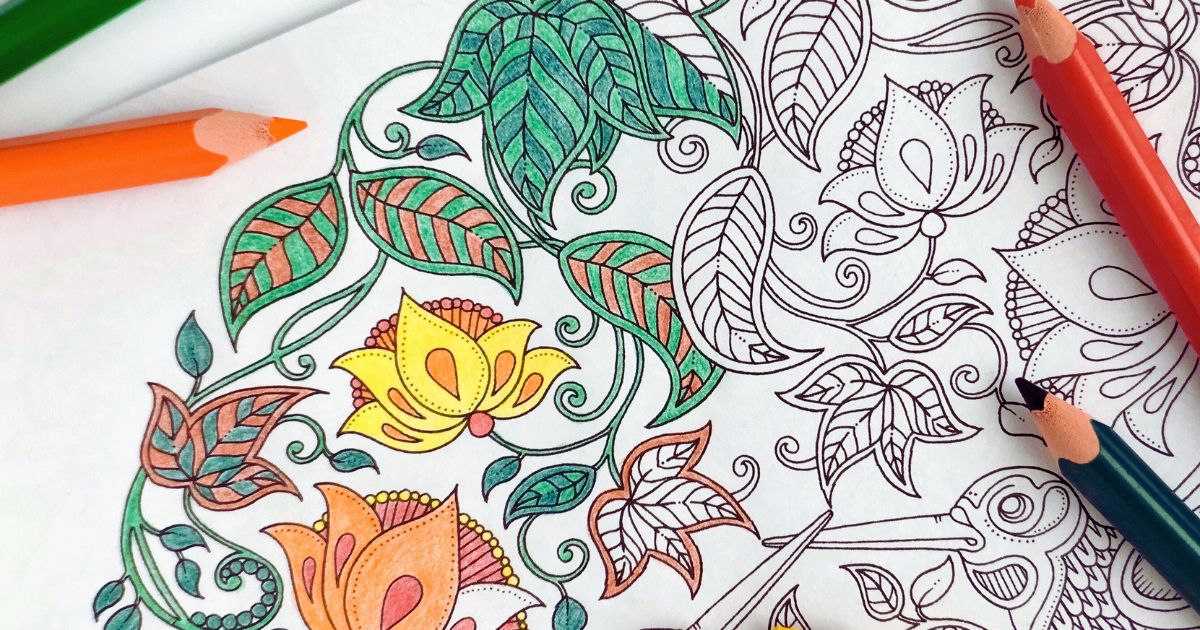
You don’t have to be an artist. You just have to make something.
When life feels overwhelming, our instinct is often to stop doing anything “extra”, to drop the hobbies, cancel the plans, and wait until things calm down. But research increasingly suggests we’ve got it backwards. Engaging in creative activities might be one of the most effective things we can do when stress starts to build.
Why creativity and stress don’t mix well — at first
Stress puts the brain into a state of high alert. The nervous system is primed to solve a problem, escape a threat, or brace for impact. Creative thinking, which requires a relaxed, open, and curious mindset, feels almost impossible in that state. And yet, the act of making something, almost anything, can begin to shift that.
It’s not magic. It’s neuroscience.
What happens in the brain when we create
When we focus on a creative task, the part of the brain responsible for worry and overthinking takes a back seat. Instead, the brain shifts into a more positive mode — one focused on attention, problem-solving, and reward. In other words, making something gives anxious thoughts less room to run.

Making something gives the mind somewhere specific to go — and that specificity is, itself, a kind of relief.
It’s not about the outcome
One of the most liberating aspects of creativity as a stress tool is that the result doesn’t matter. You don’t need to produce something beautiful, useful, or shareable. The process itself is where the benefit lives.
This is why activities like colouring, doodling, or making repetitive crafts like knitting can be so effective. They’re low-stakes, rhythmic, and absorbing enough to hold the attention without demanding too much of it. The mind is occupied but not strained.
Why time flies when you’re creating
Psychologist Mihaly Csikszentmihalyi coined the term “flow” to describe a state of deep, effortless engagement, when a task is absorbing enough to lose track of time, but not so difficult that it causes frustration. Creative activities are among the most reliable ways to access this state.
In flow, self-consciousness drops away. You’re not thinking about the email you forgot to send, or the conversation that didn’t go well, or the to-do list that never seems to shrink. You’re just here, making this thing.

Simple ways to bring creativity into everyday life
You don’t need a dedicated studio, expensive supplies, or a free afternoon. Stress-relieving creativity can be small and woven into ordinary days:
- Spend ten minutes colouring before bed instead of scrolling
- Keep a sketchbook just for doodling, no pressure, no purpose
- Try a simple craft like pressed flowers, collage, or hand lettering
- Cook or bake something from scratch, focusing on the sensory experience
- Tend to plants or arrange flowers — gardening has its own quiet creativity

The social side of making
Creativity doesn’t have to be solitary. Craft circles, art classes, online communities, and even sharing your making process on social media can add a sense of connection and belonging, which is itself one of the most powerful buffers against stress.

Coming together to make things is more powerful than it might seem. It slows everyone down. It gives people something to focus on other than their worries. It creates the conditions for the kind of unhurried, sideways conversation that’s often more meaningful than anything we plan.
A final thought
Stress tells us we don’t have time to create. But creativity might be exactly how we make more time, by helping us arrive more fully in the present moment, rather than spending it rehearsing the future or replaying the past.
So grab your pencils, tend to your plants, and make something today. You might be surprised how much better you feel.
Want to give it a try? Browse our free colouring pages — a gentle place to start. No artistic experience needed, just a quiet moment and something to colour with.

Leave a Reply