Spring Awakening
Pothos (Epipremnum aureum)
Welcome to the very first Plant of the Month feature here at Little Purple Bloom!
Each month, I’ll be sharing one of my favourite houseplants – why I love it, how to care for it, and why it might be perfect for your home too.
For March, as we move from winter into spring, I’ve chosen a plant that perfectly captures that feeling of fresh growth and new beginnings: the Pothos.
Why Pothos for March?
March is that lovely in-between time when we’re all craving a bit more green and light after the darker winter months. Pothos is the perfect plant to celebrate this shift – it’s enthusiastic, forgiving, and grows with real energy once the days start lengthening. Plus, it’s one of the easiest plants you’ll ever own!
Meet the Pothos
Common names: Pothos, Devil’s Ivy, Golden Pothos
Botanical name: Epipremnum aureum
Family: Araceae
Origin: Southeast Asia

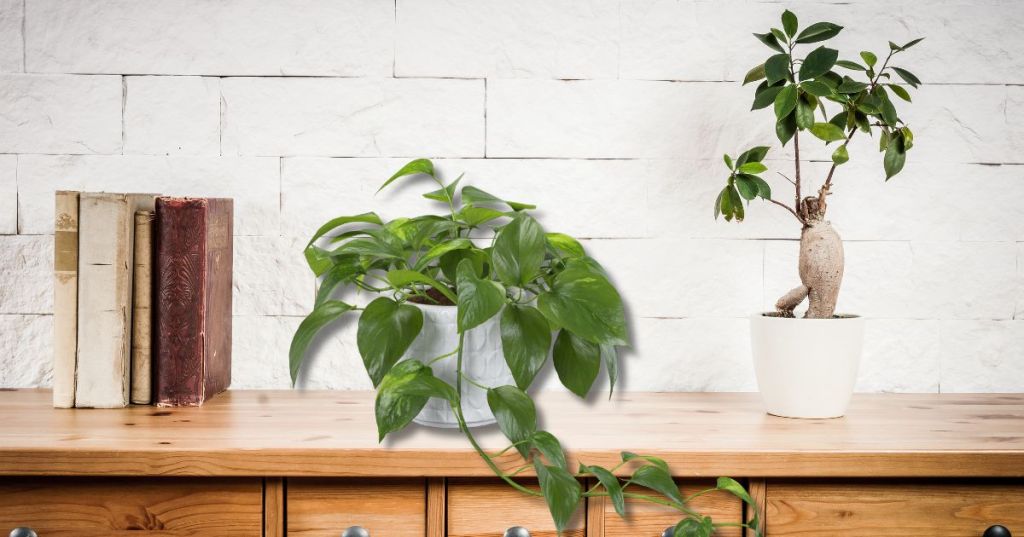
The Pothos is a trailing vine with gorgeous heart-shaped leaves, often splashed with yellow or cream variegation. It’s earned the nickname “Devil’s Ivy” because it’s almost impossible to kill and stays green even in the dark!
Why I Love It:
- Incredibly forgiving – perfect for beginners or busy people
- Grows fast – you’ll actually see progress, which is so satisfying
- Trails beautifully – perfect for shelves, hanging baskets, or climbing up a moss pole
- Tolerates low light – works in almost any room
- Easy to propagate – one plant can become many!
- Air-purifying – helps filter toxins from your home
How to Care for Your Pothos:
Light:
Pothos is incredibly adaptable. It thrives in bright indirect light but tolerates low light too. The variegated varieties (with yellow/cream markings) need a bit more light to maintain their patterns.
Water:
Water when the top 5cm of soil feels dry. Pothos prefers to dry out slightly between waterings. The leaves will droop a little when it’s thirsty – a helpful reminder! In March, you might notice it needs watering more frequently as growth picks up.
Temperature:
Happy at normal room temperature (15-24°C). Keep away from cold drafts.
Humidity:
Not fussy! Normal household humidity is fine, though it appreciates an occasional mist.
Feeding:
Feed monthly during and summer with diluted houseplant fertiliser. No need to feed in winter when growth slows.
Common Problems:
Yellow leaves: Usually overwatering. Let it dry out more between drinks.
Brown leaf tips: Could be underwatering or low humidity. Check the soil and consider misting.
Leggy growth with small leaves: Not enough light. Move to a brighter spot.
Losing variegation: Needs more light. The plant is focusing energy on chlorophyll (green) to survive.
Propagation – So Easy!
This is where Pothos really shines! Simply:
- Cut a stem just below a node (the little bump where leaves grow)
- Pop it in a glass of water
- Wait for roots to grow (usually 2-3 weeks)
- Plant in soil once roots are 5cm long
It’s incredibly satisfying and makes wonderful gifts for friends!

Styling Ideas:
- Trailing from a high shelf – let those vines cascade down
- In a hanging planter – creates a beautiful green curtain
- Climbing up a moss pole – for a more upright, jungle look
- On a bookshelf – weaving between books and treasures
- In a bathroom – loves the humidity and looks gorgeous

Why Pothos is Perfect for Spring:
As we move into March and the days get longer, your Pothos will really wake up. You’ll notice faster growth, new leaves unfurling, and that gorgeous trailing habit really taking off. It’s the perfect plant to remind us that spring is coming and growth is happening – even if it’s just on our windowsills!
Plus, if you’re feeling inspired by all that new growth, March is the perfect time to take some cuttings and propagate – sharing plant babies with friends is one of life’s simple joys.
My Personal Experience:
I have several Pothos dotted around my home, and they never fail to lift my spirits. There’s something about those heart-shaped leaves and the way they trail so gracefully that just makes me smile. They’re unfussy, reliable, and always growing – a bit like creativity itself, really!
Important Safety Note:
Pothos is toxic to cats, dogs, and humans if ingested. Keep out of reach of curious pets and children. If you have cats or dogs who like to nibble plants, consider pet-safe alternatives like Spider Plant or Boston Fern instead.
If you fancy a bit of mindful colouring why not download my printable Pothos colouring page.
Have you got a Pothos? I’d love to hear about yours – how long have you had it, where do you keep it, and what’s your favourite thing about it? Drop a comment below!

 Little Purple Bloom
Leave a comment